Everything You Need to Know About TradeShows
With technology, partners and a strategy in place, tradeshows can be successful. Follow this how-to guide to get moving in the right direction.
What is a TradeSHOW?
Have you ever asked yourself, “What is a tradeshow?” If so, you are not alone. In a world where manufacturers are looking for new ways to market their products and businesses, a lot of people are exploring why tradeshows are important, the future of tradeshows, how to prepare for tradeshows and how to have a successful show experience.
Tradeshows sponsored by associations are an amazing opportunity for businesses to showcase products and services within their specific industry. This is a chance to collaborate, learn, gain new customers, and get glimpses into what’s trending in your industry. Companies that attend in any capacity have an immediate leg up on their competition. Typically, these events are exclusive with attendees being top professionals, company representatives and members of the press. To find such events, you need to research organizations within your line of work, read trade publications and subscribe to industry-related newsletters.
Exhibiting at a tradeshow is an excellent way to connect with your current and potential customers, to capture valuable leads and grow your business. But even if you just plan to attend, you will still gain access to the latest technologies, perhaps special product or service pricing and valuable insights on the state of your industry. According to the Center for Exhibition Industry Research, 86% of show attendees are decision-makers or influence buying decisions.
While exhibiting at trade shows has visibility and lead-generation benefits beyond just attending (sponsorships combined with exhibiting has even more), preparation for the event will significantly improve your success. We will show you the way through this process, and if you’re ever in doubt, contact us.
Types of TradeShows
Since the onset of the COVID-19 pandemic, we have seen a shift from exclusively in-person business-to-business events, to a mix that now includes virtual tradeshows. While the long-term future of tradeshows may remain uncertain, it’s best to understand each approach, the opportunities within them and how to make the most of them.
In-person events typically have a lot of commotion happening on the exhibition floor, so it is easy to feel overwhelmed. Large tradeshows typically follow a standard event program that includes workshops, breakout sessions, speaker presentations, special events, media opportunities, networking gatherings and, depending on the event, award ceremonies. At this type of show, expect the exhibition floor to be filled with industry people, signage and booths displays. Many companies will make large investments in designing their tradeshow booth to showcase their latest product and service developments. And companies will have their most knowledgeable representatives available in their booths to answer your questions.
Throughout the last couple of years, more and more major industry associations have switched to online alternatives from their traditional in-person tradeshows. While traditional events remain the best way to showcase products and services, demonstrations, and impromptu interactions, it’s still valuable to explore virtual events—when done right, they can be compelling in their own way. Though we expect virtual events to linger and potentially evolve as new technologies emerge, our focus in this article is more on in-person events—where manufacturers are still seeing the most value.
Why Are TradeShows Important
There are key reasons why tradeshows are valuable. Regardless of the tradeshow format you are exploring, the importance it has to your marketing and sales funnel is unquestionable. Here are some of the top reasons they continue to be worth the investment:
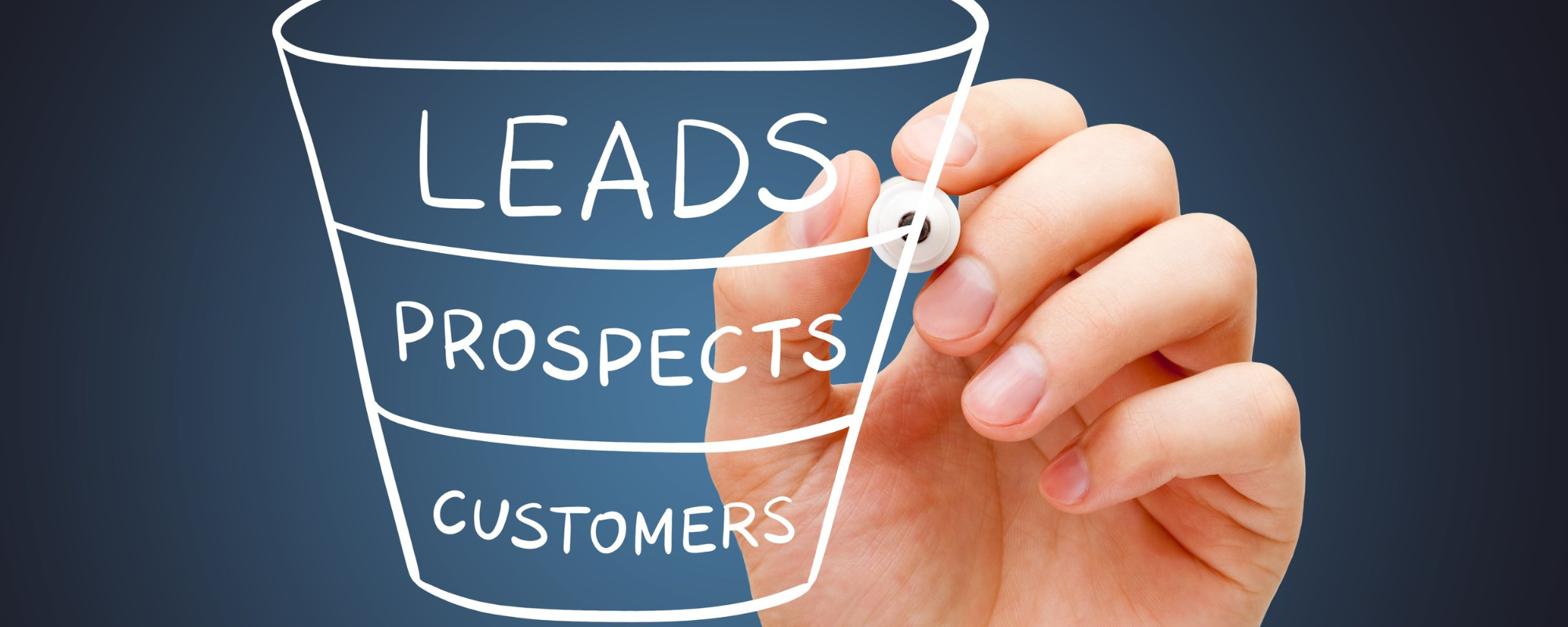
Generate Valuable Leads – If you are exhibiting at an in-person show, you can engage with other industry members, build relationships, and connect face-to-face with potential leads that otherwise may have been difficult to contact. Your tradeshow booth space should attract attendees on the floor and engage them with your company’s offerings. Once in your booth, you can build personal relationships as the foundation to sales efforts, ask for contact information for follow up and schedule a time to meet again--either at the event or later.
Close Sales Agreements – More often than not, you will find current sales contacts at the show. Make the most of having them there with you. Schedule time to discuss business and move them through the sales funnel. This could save you travel expenses and time later.
Build Brand Awareness – If you’re looking for a way to grow your brand recognition, there is no doubt that industry tradeshows are a top contender. When you give event attendees the opportunity to interact with your product or service while you share initiatives and insights, they get to experience your brand in ways other marketing efforts can’t provide. This is just one reason that exhibiting at a tradeshow is a great addition to your marketing mix, which also should include elements of traditional and digital initiatives.
Network – This is basically a given. Networking should be one of your top priorities at a tradeshow. Be sure to review the event program and block off time on your calendar to leave the booth and participate in activities where the key players you want to meet might be. You may even consider monitoring social media before the event to track who is attending the show and how to find them. Most companies and people promote their attendance prior to the event.
Gain Industry Insight – Tradeshows offer a unique opportunity to get first-hand news and hear the latest industry trends. While everyone attending will be able to explore your booth if you choose to exhibit, you will also be able to explore theirs. This gives you the opportunity to see what your competitors are up to, while hearing from some of the brightest experts at speaker sessions and workshops. Explore the exhibition floor to see what technologies are at play, engage with potential suppliers to find areas of improvement within your organization and play “potential customer” to source pricing and specification information. If you play your cards right, you will leave the show with new strategies to take on your competitors and tactics to enhance your operations.
Preparing for a TradeShow
Preparations for an in-person tradeshow usually begin a year in advance, if not more. Typically, associations have their events around the same time each year, so you can plan accordingly. Follow these high-level steps and tips for a successful tradeshow, and of course, find a partner who can help you build a tradeshow success strategy and support your team through the process.
Contact Event Organizers – As soon as the date is announced, investigate the attendance at the last show, the number of exhibitor spaces available this year, sponsorship and/or speaking opportunities, exhibition floor map, event days and times and get feedback from businesses that have participated in the past.
Outline Goals and Objectives – Before you decide how you will participate, identify your goals and objectives. For reference, look at your overall marketing plan. The goals for the show should support the business’ goals and fit within your marketing activities and budget.
Determine Engagement Level – Now that your goals are outlined, what level of participation in the event will support them. Should you be a sponsor, an exhibitor or just an attendee? What are the benefits and costs of each? And which will help you get to your goal and give you the most return for your investment?
Establish Your Team – Who do you want in your corner for this event? Will you want sales staff and engineers to walk the show or engage people visiting your booth? Make sure to block their calendars early. Beyond just your internal support team, what external partners will you need throughout the process. There are a lot of small details that go into show preparation, regardless of your level of participation. Choosing the best companies to partner with will make all the difference in your success.
Communicate – When it comes to tradeshow preparation, it’s hard to over communicate. Arm your internal staff with the materials they need to reach out to current and potential customers. Post on your social channels, send out newsletters and include event details on your website. Connect with all your external partners so that each knows what the others are doing, and don’t be hesitant about letting them talk amongst themselves. They are the pros and can help take some of the burden off your shoulders when it comes to organizing details. And finally, stay in touch with the show organizers so they are aware of your plans for the big day.
Produce Collateral – This is where having your “A team” of external vendors will play a major role. There are so many elements of marketing to consider for tradeshows, each needing to represent your brand, products, and services, and support your goals. Plus, they may know of new technologies you can use that will help engage your target audiences and make you stand out from the crowd.
Identify a Lead Capture Process – How will you collect, qualify and follow up with leads? Are you going to collect business cards in a fishbowl and enter them into a customer relationship management (CRM) software later? Or are you going to collect them directly into a computer on-site? Know what you are going to do with the leads (e.g., newsletter sign up, follow-up meeting) and make sure that is clear to those submitting information.
Rehearse – The last thing you want to do is arrive at the show and not know how to do something, what you will say, or who you are targeting. On the opening day of the show, you will need to feel completely prepared to ease any nerves, which is why rehearsing the details is important. Practice setting up your booth display so you know exactly how all the pieces fit together, what goes where, how the lighting looks and how to operate the technology so you don’t run into issues at the show. Have a training session with your staff so they are armed with key talking points, understand how to interact with media (e.g., do’s and don’ts, company policies, media tips to do’s and don’ts). Finally, practicing a speech or presentation is a given. Get comfortable with what to say, how to say it and ways to engage the audience.
Arrive Early and Stay Organized – Organizing materials beforehand will help with set up and your stress level. Put paper and damageable materials in plastic cases so they don’t get wet or broken. Prepare a checklist of what you are bringing—don’t forget those worse-case scenario items (e.g., tape, string, scissors, name tags, needle and thread, etc.). Double check all the shipment confirmations and tracking numbers. Print all event-related documents and keep them handy in case technology fails you. And arrive early, especially if you’re exhibiting, so you can confirm your booth materials were delivered to your space, get a head start on setting up, and have time to react/respond to any issues or concerns.
If you are considering alternatives to in-person events, we want to highlight a few points to consider before jumping on the bandwagon. First and foremost, be sure to do your research ahead of time. Virtual events have been around for a couple of years now, and while some associations and organizers have figured out how to make them successful, others have not. At the end of the day, we want your efforts with all tradeshow initiatives to be valuable. So, to help you with trade show planning, following are the key questions to answer before identifying your “A team” of partners to support you.
What platform is the event being hosted on?
How is the hosting organization getting attendees to engage and creating online interactive environments?
Is the show pricing including virtual booth space and involving sponsors in a meaningful way?
What does a virtual booth consist of? (Typically, it’s little more than a landing page on a website).
Who is presenting and is a question-and-answer session a part of the program?
Are any elements of the event recorded?
How many people are expected to attend?
Will there be breakout sessions and how are they organized?
TradeShow Follow Up Best Practices
When your events are all said and done, wrap up the details and get feedback while the event is fresh in everyone’s minds. For example:
Send out a thank you email for visiting your booth.
Organize and prioritize your corporate event leads with notes about the conversations and next steps for each.
Make a list of best practices so you know what to keep doing and what to change.
Write reviews for your vendors and partners and be sure to thank them for their support. Also ask them for their input – they may think of areas for improvement you overlooked.
Review your goals and get a clear understanding of what you got out of the show (e.g., new leads in your sales funnel, value of leads gathered, new network connections, etc.). Was the show worth it? Do you need to re-evaluate your goals, or set higher goals next time?
One thing that will always hold true about tradeshows: the opportunities are endless, and the potential value is always there. Making the most of these is up to you. With the right technology, team of partners and strategy, your trade show activities can be successful and offer a great return on your efforts. And while the path from start to finish may seem overwhelming and confusing, let us show you the way to greatness.
Related Articles