
How to Define Your Target Audience
Obtain Authenticity in marketing by diving deep into understanding and targeting audiences
Have you ever poured time and money into marketing campaigns only to see lackluster results? The problem might not be your strategy—it could be that you're targeting the wrong audience. Let’s change that! Defining your target audience is the key to unlocking powerful marketing that resonates, engages, and converts.
With over 5 billion global Internet users and 4.65 active social media users, it’s challenging to sort through the masses to find exactly who you need to speak to. At the end of the day, the people and businesses needing your solutions represent a minuscule portion of that global digital population.
What is a target audience?
A target audience is a specific group of people or businesses who will most likely purchase your product or services—in other words, the people who need to see your marketing campaigns. Target audiences tend to share similar traits. Specifically for manufacturers, this group of people may share job seniority, company size, interests, job title, global regions, industry, or any combination of several other factors.
Depending on what solutions you sell your target audience may be broad or narrow. As an example, an automotive manufacturer’s audience is likely broad since several people purchase vehicles. But, if you’re a plastics injection molder specializing in medical devices for pediatric patients, your audience is finite—only so many businesses need your expertise as their supplier.
What is the Difference Between Target Audience and Target Market?

Sometimes the terms target audience and target market are used interchangeably—but there are key differences that set them apart. Understanding these differences will make an impact on how you address them through marketing activities.
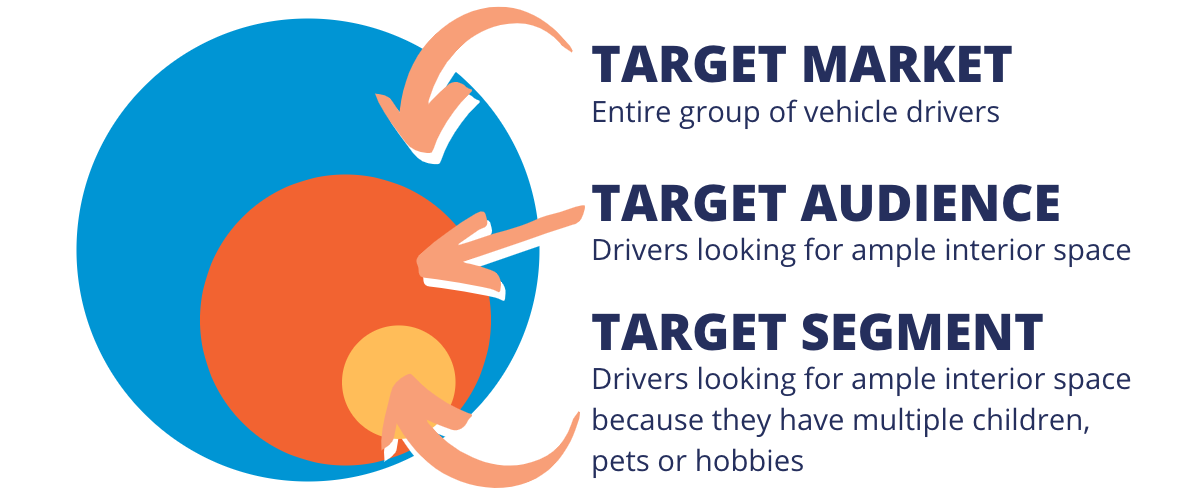
One of the best ways to distinguish between target audience vs target market is the size of each. A target market is the entire group of people or businesses you want purchasing your product—a large, albeit wishful, group of people. On the other hand, a target audience is a specific collection of people or businesses that you think might actually buy your products or services—a smaller, more practical group of people.
Another differentiator between the two groups, as we hinted to already, is the likelihood of a sale happening. Within the target audience, there is a strong likelihood that, with the right messaging, people will make a purchase from you. With the target market, there is no guarantee or strong likelihood that a purchase will happen because not everyone needs your solution. Putting all your efforts into trying to sell to the large target market is wishful thinking and wasteful. The smaller and more specific you can be in defining your target audience, the better your odds of securing a sale, the more effective you can be with your budget and the better your ROI (return on investment) should be.
Why is Targeting Your Audience Important?
Imagine you’re setting out to find a hidden treasure. Would you start digging randomly, or would you use a map to pinpoint the exact location? Defining your target audience is your marketing map. It helps you focus your efforts on those who are most likely to be interested in your products or services. Without this clarity, your marketing might as well be a shot in the dark.
Benefits of Target Audience Marketing
Targeting Audiences Uses Time and Money Where It Counts: One of the primary benefits of marketing to a targeted audience is optimizing resources allocated to your activities. Approximately $37 billion is wasted every year on ad spending that doesn’t engage the target audience. Instead of spending money and time trying to reach every potential customer, defining a target audience allows for more intentional outreach efforts. Knowing what your ideal buyer reads, watches, follows on social media and what tradeshows they attend allows you strategically focus your team’s time and marketing activities in ways that grab the buyer’s attention. And of course, selecting the right marketing activity and channel is critical to achieving marketing ROI.
Target Audiences Builds Relationships and Better Communications: Protecting and increasing your ROI isn’t the only benefit of target audience marketing. Understanding your ideal buyer also allows you the opportunity to build relationships with and better communicate within your industry. Your team will be able to develop messaging and presentations that speak to specific personas and develop solutions that coincide with interests, values and problems of potential customers. This is especially important in an age when buyers expect customized messaging and solutions. In fact, 80% of consumers say they prefer businesses that offer personalized interactions—this behavior also carries into professional environments.
How Do I Identify My Target Audience?
Now that we’ve established why defining your target audience is crucial, it’s time to roll up your sleeves and dive into the practical steps. Identifying your ideal customer isn’t just about making educated guesses—it’s about gathering insights, analyzing data and creating detailed profiles that guide your marketing efforts. Think of this process as building a detailed blueprint for your marketing strategy. Here’s how you can uncover who your ideal customers are and what makes them tick.
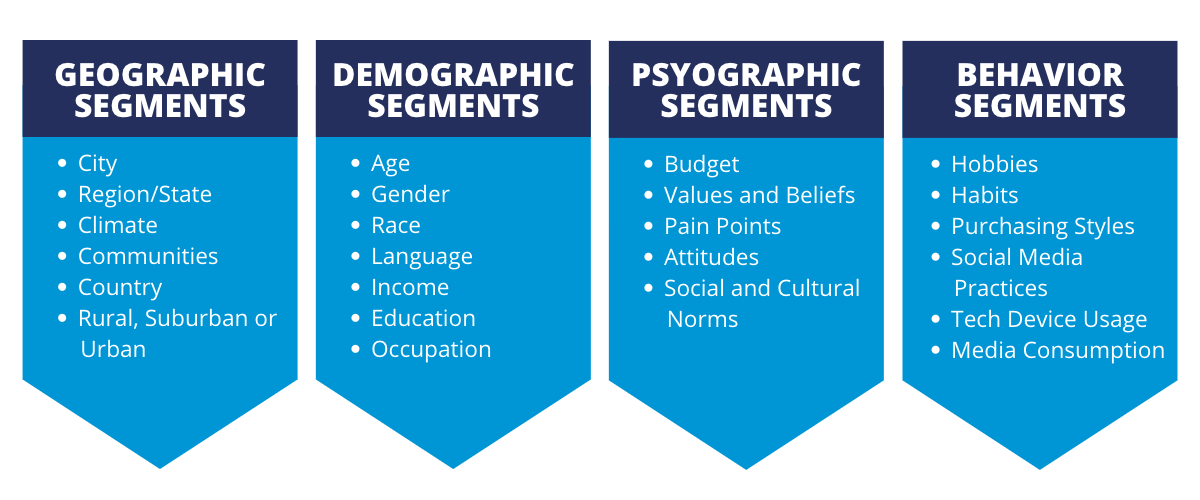
Dive into Demographics and Psychographics: Begin with the basics: age, gender, location and income. But don’t stop there—explore psychographics like interests, values, and lifestyle. For example, if you’re selling high-end outdoor gear, your audience might be affluent adventure enthusiasts who value quality and sustainability.
Analyze Your Existing Customers: Look at your current customer base. Who are your best customers? What common traits do they share? Use this data to create a detailed profile of your ideal customer. This helps you understand their needs, preferences, and behaviors.
Conduct Market Research: Don’t rely solely on guesswork. Use surveys, interviews and focus groups to gather insights directly from potential customers. This data is gold for shaping your marketing strategies.
Create Customer Personas: Transform your data into actionable personas. A persona is a fictional character that represents a segment of your audience. For instance, “Eco-conscious Emily” might be a persona for a brand selling sustainable products. This makes it easier to tailor your marketing messages to specific needs.
How to Use Ideal Customer Insights to Create Authentic Marketing Programs
Once you’ve outlined your ideal customer, you can use this information to infuse authenticity into your marketing programs in several impactful ways. Start by crafting personalized messaging that speaks directly to their needs and desires, using language and tone that resonate with their specific challenges and aspirations. Tailor your content to address the issues and questions your ideal customers face, ensuring it provides real value and insights relevant to their industry. This positions your brand as a trusted authority and builds a stronger connection.
Next, focus your efforts on the channels where your audience is most active. If your ideal customers are engaged on LinkedIn, for example, prioritize this platform with targeted content and engagement strategies. Authenticity comes from being present in the spaces your audience frequents and communicating in a manner they appreciate.
Design engaging experiences by utilizing customer profiles to create personalized email campaigns, targeted ads or custom landing pages that align with their interests. When customers feel understood by a brand, they are more likely to engage positively. Additionally, ensure that your brand values align with those of your ideal customers. Show commitment to the causes that matter to them, fostering a genuine connection and long-term loyalty.
Finally, continuously gather and utilize feedback from your ideal customers to keep your marketing efforts relevant and authentic. By regularly seeking their input through surveys, interviews, and social media interactions, you can adapt your strategies to meet their evolving needs and preferences, ensuring that your marketing programs remain engaging and effective.
Real-Life Success: How Defining Your Audience Transformed Our Clients
Case Study Highlight
One of our clients, EDGE Industrial Technologies, saw remarkable results by refining their target audience. With a clear understanding of their ideal customers, they experienced a 243% increase in social media impressions and a significant boost in website traffic. The precision of their audience targeting allowed them to achieve a 68% improvement in organic search traffic!
Ready to take your marketing to the next level? Defining your target audience is the first step toward crafting compelling campaigns that drive real results. Explore our resources for more insights, or contact us for a personalized strategy session. Let's turn your marketing into a treasure hunt where you always find success!
Related Articles