The Evolution of Sales and Marketing: A Symbiotic Relationship
Author: Sara Melefsky
I once heard “comfort is the enemy of progress.” And the truth is, that statement stands the test of time when it comes to marketing, and for this article topic, the relationship between marketing and sales teams.
In the dynamic world of business, few relationships have transformed as profoundly as the one between these two teams. What was once a straightforward division of departments—where marketing supported sales with tools and materials—has evolved into a complex, integrated partnership where both functions are crucial to driving revenue and fostering lasting customer relationships.
How Innovative Marketing Teams are Redefining Collaboration and Success
Throughout the past couple decades, marketing teams have undergone a significant evolution. Formerly tasked with creating advertisements and brochures for sales teams to present, modern marketing now takes on the responsibility of presenting decision-making resources directly to prospects. This shift requires a deep understanding of customer personas, journey mapping and content strategies that will resonate with audiences. However, this valuable information is only obtainable with input from the sales team or through market research.
Marketing teams evolved from being purely creative and promotional entities to strategic drivers of business growth. With the advancement of digital technologies and data analytics, marketers now wield the power to target and engage audiences with unprecedented precision. The rise of social media platforms, search engine optimization (SEO) and content marketing has reshaped how brands communicate and connect with customers. These tactics not only amplify brand awareness but facilitate meaningful interactions that nurture leads from initial interest to conversion.
Transforming Team Dynamics and Communication in the Modern Workplace
When I started my career, the marketing department wasn’t driven by strategic programs. It mostly worked on requests from sales staff. There was little, if any, collaboration and planning between the teams.
Thankfully, this traditionally siloed operation between sales and marketing dissolved as customer buying behavior and technologies forced collaborations. Today, these teams must work in tandem, aligning on audience identification, lead qualification and content deployment strategies. This synergy ensures that every touchpoint—from initial engagement to post-sale support— seamlessly integrates with the company’s goals, messaging and value proposition.
Collaboration between sales and marketing is no longer a choice but a strategic imperative for success in a competitive landscape. By sharing insights, aligning goals and leveraging each other's strengths, your sales and marketing teams can deliver a cohesive customer experience that drives revenue and builds long-term loyalty. Modern customer relationship management (CRM) systems and marketing automation tools further facilitate this collaboration by streamlining lead management, personalizing messaging, tracking customer interactions and optimizing campaign performance in real-time.
Elevating Lead Quality and Customer Experience
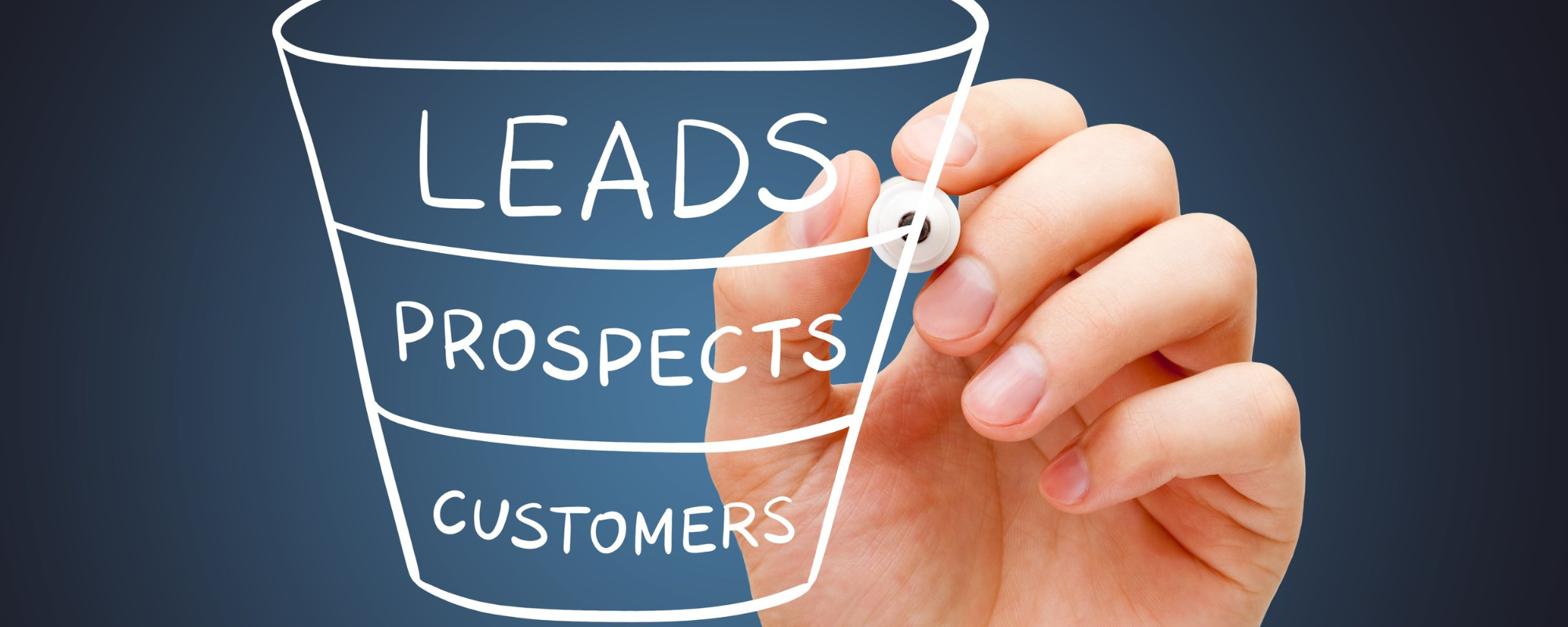
One of the most notable outcomes in this transition is the increase in the quality of generated leads. Rather than sales teams grinding to bring in large volumes of leads, marketers and sales teams work together to identify and prioritize high-quality leads to nurture more easily. This approach involves leveraging data analytics to segment audiences, personalize communications and tailor marketing efforts to the specific needs and preferences of prospects.
Selecting and nurturing leads and high-quality customers requires a concerted effort from both sales and marketing teams. Marketing plays a crucial role in attracting and educating prospects through targeted content and personalized experiences. Meanwhile, sales teams focus on building personal relationships, understanding customer pain points, and providing tailored solutions—feeding their insights back to marketing.
Managing this overall customer experience through synergistic efforts is now a focal point for organizations seeking to differentiate themselves in a crowded marketplace. By delivering seamless, personalized experiences across all channels—online and offline—companies are enhancing customer satisfaction, increasing retention rates and fostering brand advocacy. From intuitive website design to responsive technical and customer support, every interaction shapes the perception of the brand and influences purchase decisions.
Navigating the New Landscape of Business Spending
Financial investments in sales and marketing departments also evolved through this transitional period. Companies now allocate resources to more traditional marketing programs, as well as digital channels, data analytics tools and CRMs. This shift reflects a recognition of the power of this team collaboration and the importance of targeted, personalized engagement in mass marketing.
Increased investments in data analytics platforms, AI-driven marketing automation and predictive modeling tools empower marketing and sales teams to anticipate customer needs, tailor communications and optimize campaign metrics in ways that support revenue. This data-driven approach enables marketers to more effectively measure and demonstrate their impact on business outcomes.
Starting the Shift Toward Modern Sales and Marketing Dynamics
If you have yet to mold your sales and marketing departments into a cohesive, integrated partnership, taking proactive steps is critical to navigating today's competitive landscape. The first step involves fostering cross-functional collaboration, which can be achieved by establishing regular communication channels, holding joint planning sessions and creating shared goals that emphasize collective success over individual achievements. Leadership plays a pivotal role in championing this alignment, ensuring that both teams understand and support each other in achieving overarching business objectives.
Foster Cross-functional Collaboration: Breaking down the barriers between sales and marketing starts with fostering a culture of collaboration and shared goals. Your leadership should emphasize the importance of alignment and provide opportunities for teams to collaborate on joint initiatives.
Establish Unified Goals and KPIs: Aligning sales and marketing requires setting unified goals and key performance indicators (KPIs) that reflect shared objectives and outcomes. By establishing metrics that measure collective success—revenue generation, customer acquisition costs and customer lifetime value—both teams can rally around common goals and track progress toward achieving them.
Implement Integrated Technology Solutions: Investing in integrated technology solutions, such as CRMs and marketing automation platforms, is crucial for enabling seamless collaboration and data sharing between sales and marketing teams. These tools provide visibility into customer interactions, facilitate lead management and automate repetitive tasks, allowing teams to focus on strategic activities that drive business growth.
Outline a Unified Customer Journey: A unified customer journey requires mapping out the entire lifecycle—from initial awareness to post-purchase support—and ensuring consistent messaging and experiences across all touchpoints. By aligning marketing content with sales outreach strategies and customer service initiatives, you can deliver a cohesive, personalized experience that resonates with prospects and strengthens customer relationships.
Cultivate a Culture of Continuous Improvement: Successful alignment between sales and marketing is an ongoing process that requires continuous improvement and adaptation to market dynamics. Encourage teams to regularly review performance metrics, analyze customer feedback and iterate on strategies based on data-driven insights. Embracing flexibility and fostering a culture of experimentation can help teams stay responsive to changing customer needs and competitive pressures.
A Successful Future Built on Flexibility and Innovation
Looking ahead, the symbiotic relationship between sales and marketing will continue to evolve. Advancements in AI, machine learning and predictive analytics will further enhance targeting and personalization capabilities. However, while technology facilitates efficiency, human interaction remains essential in building trust and fostering long-term customer loyalty.
The convergence of sales and marketing will accelerate as organizations strive to deliver seamless experiences that anticipate and exceed customer expectations. Agile methodologies and cross-functional collaboration will become increasingly prevalent, enabling teams to quickly adapt to market changes and capitalize on emerging opportunities. By harnessing the power of data-driven insights and human-centered strategies, you can forge deeper connections with customers, drive sustainable growth and achieve competitive differentiation in an increasingly digital economy.
Related Articles