How Digital Marketing Changed Traditional Marketing
How has marketing evolved? What part does technology play? Does your business have a blend between old and new marketing channels?
Your business relies on sales and marketing methods to reach customers and generate leads. Especially over recent years, the methods you once used have likely changed, been replaced or retired for new marketing activities. Was your business left in the dust or are you ready to evolve and discover what works for you?
These shifts in marketing methods among businesses are leading professionals to ask about traditional marketing vs digital marketing. Many consultants are saying the new digital options are better than the old. But is there a balance between the two that fits in your marketing plan?
Traditional Marketing vs Digital Marketing—Why Are Businesses Changing?
Buyers no longer listen to a sales representative and think, “That product must be as wonderful as they say it is. I will buy it.”
Instead, buyers are overly critical and hesitant to commit before doing research, because nothing must be as good as it seems. There must be a flaw somewhere. So, they go online and search for customer reviews and competitive products to make sure they are in fact making the best decision. Like many other things, the way buyers think has evolved. Businesses need to evolve as well.
At the end of the day, you may sell in a business-to-business (B2B) marketplace, but your buyers think like consumers. They conduct research and, on average, conducted twelve different online searches before narrowing their decision options.
In the past, traditional marketing was the only way to promote your message. With a variety of digital technologies at their fingertips now, buyers are influencing what the sales process looks like, they are engaging in the conversation and they can do so in real time.

Defining Traditional Marketing
What is Traditional Marketing?
The world of traditional marketing is rather large. Even though it’s becoming “old,” you’re likely still exposed to a large variety of traditional marketing methods daily. These are focused on using channels that don’t involve a phone or computer, for example, newspapers and magazines, billboards, cold calling, tradeshows, tv and radio advertisements, networking and direct mail.
Importance of Traditional Marketing
Old doesn’t mean obsolete. And while the long-term future of traditional marketing is still murky, it’s still important to businesses—especially if you have a large budget and need to reach a large target audience. A traditional approach can also be important if you need to connect with prospects on a personal level to build a relationship. Sometimes, sales are best created when the customer feels you have a genuine interest in their well-being—something that can be difficult to portray through newer marketing.

Defining New, Digital Marketing
What is Digital Marketing?
Digital marketing is essentially everything that traditional isn’t. It involves the use of the latest technologies and collected data to promote your solutions to a target audience. Digital marketing gives you the unique opportunity to continually engage prospective and current customers through blogs, videos, case studies, online articles, AI tools like ChatGPT, re-marketing and geofencing--moving prospects from initial brand awareness through to converting or upselling stages.
Importance of Digital Marketing
Digital marketing plays an important and unique role in B2B businesses. It facilitates interactions and empowers people to make their own decisions. It draws audiences from great distances that were once difficult, if not impossible, to reach using traditional methods. It’s faster, customizable and provides a host of data to analyze for behavioral/improvement insights.
The future of digital marketing is bright and its influence on manufacturers continues to grow. However, as technologies change, so will the world of digital marketing. It’s difficult to predict what that will look like 5, 10 or 20 years from now. Our best advice is to embrace it in your marketing plan now or, if you don’t feel like you’re ready, become knowledgeable on what digital and traditional marketing offers so you can make educated strategies and implement them when you are ready.
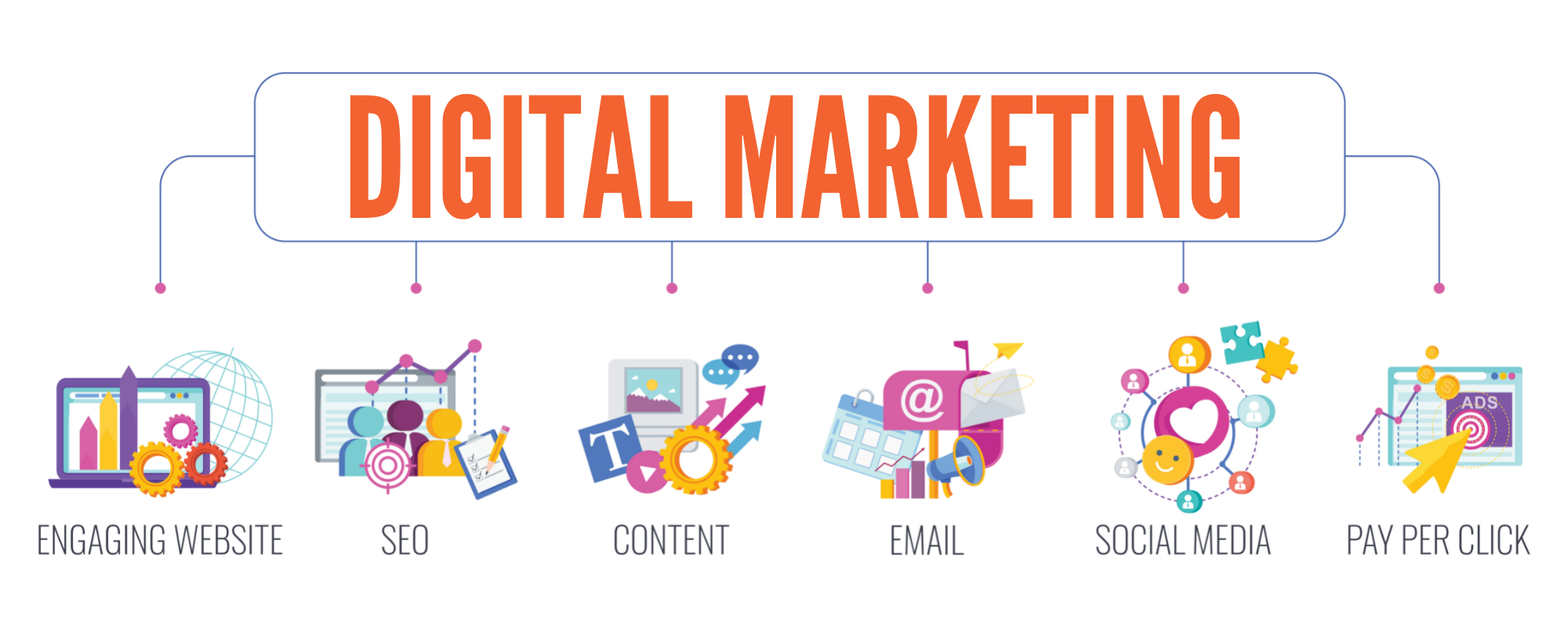
6 Characteristics that Distinguish Digital Marketing From Traditional Marketing
Does digital always trump traditional marketing in a world that revolves around technology? Not always. But there are six characteristics, or benefits, of new marketing that set it above the rest:
Segmentation and Targeting Audiences: While traditional marketing tends to be limited because it requires messaging and graphics to be generic—directed to the masses in terms of age, gender, income, location and interest—digital marketing allows for customization. With a few clicks and some collected data, a business has demographics it can use to customize and target messages in ways that connect with the intended audience anywhere across the global. Think about cultural norms, languages, identities, pain points, supply chain needs, buying behaviors, etc.—everything can be customized so it’s authentic to the person that sees it.
Cost: One of the more obvious and importance characteristics that distinguishes digital marketing from traditional is cost. Digital also offers a much better return on investment (ROI), which is why small businesses often prefer digital marketing. Traditional channels are roughly 60% more expensive than digital, and digital channels can deliver three times as many leads per dollar spent.
Buying Intent: With technologies and techniques like search engine optimization (SEO), people are finding your website through the use of keywords related to your content, product or services—in the same way you likely found this blog. Databases and tools now track a person’s intent when they search for something online. Is someone looking to actively make a purchase or are they just looking for information? This is one reason why the ROI for digital efforts is higher – you can pull people with a specific intent to a corresponding page on your site. If they are looking for information, perhaps they need to look at your blog. But, someone is looking for a manufacturing solution, they probably need to find your product/services page. A simple shift in the keyword phrase can differentiate between the intents and pages.
Customer Engagement: The fourth characteristic that sets digital marketing apart is its ability to engage audiences. Traditional marketing is usually more “in your face” whereas digital sparks conversations and debates that can offer valuable insights, allowing you to better understand your audience. A prime example of this is a traditional post card vs a social media post.
Longevity: Digital marketing encompasses so many methods that all offer benefits to your business in the long term. They all work together to have a cumulative impact over months or even years compared to traditional marketing being focused on a short-term push for short-term impacts on sales. For example, write a blog on your website and it will draw audiences for a long period of time. However, a television ad or billboard only have an impact when it’s displayed—as soon as it’s done or you’ve driven past, the memory of it will likely fade.
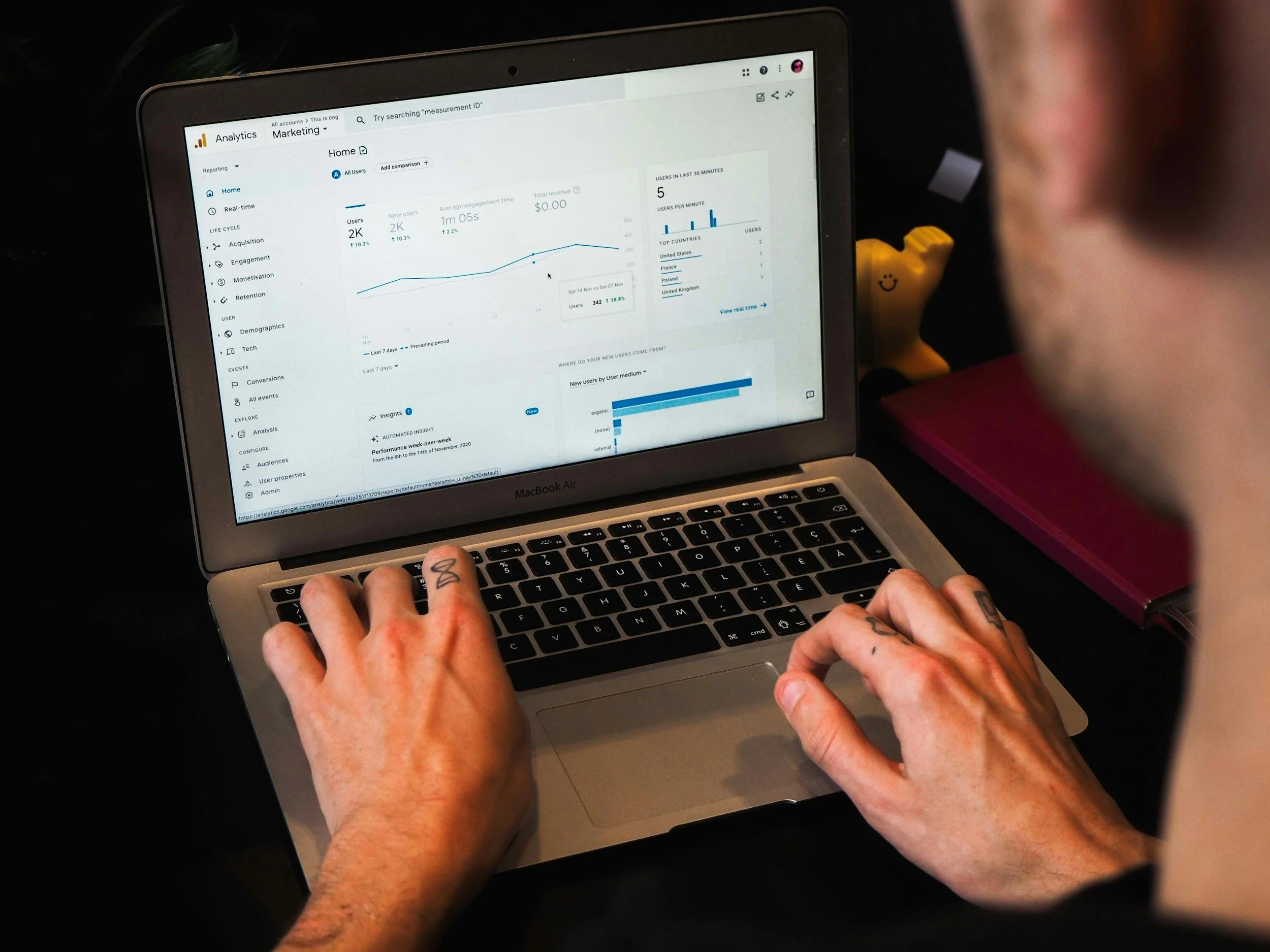
Measurement: One of the best differentiators on this topic is the ability to measure results and engagement. There are thousands of tools to track visitors, behaviors, performances and overall impact of activities. Without these measurement tools offered by digital activities, it’s hard to understand the actual reason a customer contacted your business or what turned them away.
Blending Traditional and Digital
Playing with the Difference Between New Marketing vs Traditional Marketing
Even though there are obvious benefits of digital marketing when compared to traditional, we understand it’s not right for every business or every situation. The strategy and success lie in the blending of the two in ways that align with goals, budget, audience and solutions offering.
With all the potential options, it’s difficult to know exactly where to go from here. We recommend these how-to guides below to help you decide what to do next and explain options in more detail. At the end of the day, your marketing plan is unique to your business and will take time to make it well-rounded. If you don’t have the time or would like help from an experienced, professional crew that specializes in communications, SEO, traditional and digital marketing, branding and strategy, contact us!
Related Articles